美女与野兽
China opens exhibition to preserve, bring linguistic diversity to life_我的网站

一 |
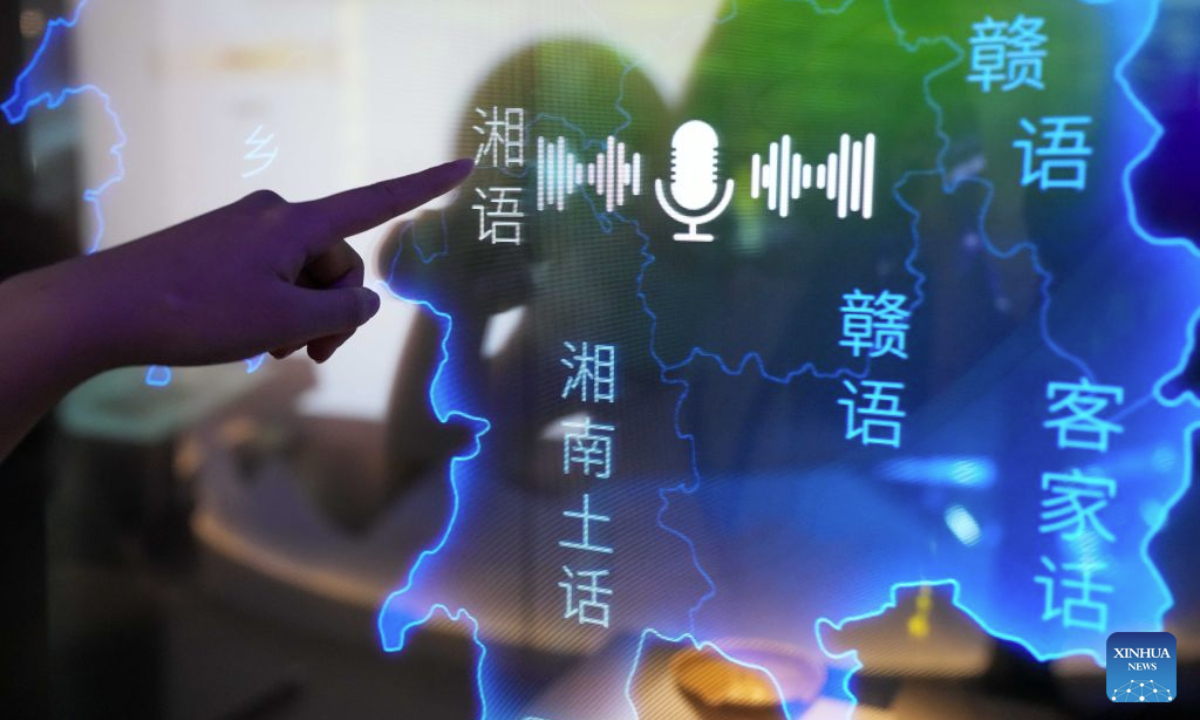
A visitor listens to dialects of various regions in Hunan at the Exhibition Hall of the Project for the Protection of Language Resources of China in Changsha, central China's Hunan Province, Aug. 24, 2026. A new exhibition hall dedicated to the preservation of China's diverse language resources opened on Monday in Changsha, capital of central China's Hunan Province, bringing a decade-long effort to document languages and dialects to the public through digital and interactive displays. The Exhibition Hall of the Project for the Protection of Language Resources of China, located in the Hunan Museum, brings together recordings and other language materials collected from more than 1,800 field survey sites across China, covering Chinese dialects, ethnic minority languages and related cultural traditions. (Xinhua/Xue Yuge)Putting on headphones at a new exhibition hall in central China, visitors can hear a chorus of voices from across the country, including regional dialects, traditional songs in ethnic minority languages and field recordings of languages on the verge of extinction.
The Exhibition Hall of the Project for the Protection of Language Resources of China opened Monday in Changsha, capital of central China's Hunan Province, bringing decade-long efforts to document languages and dialects to the public through digital and interactive displays.
Located in the Hunan Museum, the exhibition brings together recordings and other language materials collected from more than 1,800 field survey sites across China. More than 30 language-related cultural relics are also on display.
The recordings represent 10 major Chinese dialects and more than 100 ethnic minority languages, including Mongolian, Tibetan, Uygur and Zhuang, said Chen Xuliang, deputy Party secretary of the Hunan Museum.
"Digital technology is helping bring the results of language preservation research out of databases and into public cultural spaces," he said.
The exhibition draws on materials collected through a national language preservation project launched in 2015 to document and preserve the country's diverse languages and dialects. It is the world's largest project of its kind, according to experts.
Over the past decade, researchers have traveled to remote mountain villages and pastoral areas to find native speakers of different ages. They systematically recorded words, grammatical examples, oral traditions and other language materials, turning oral memories at risk of disappearing in digital records that can be preserved for generations.
The work has become increasingly urgent as the number of native speakers of some languages declines.
China is home to more than 100 languages and numerous dialects. Some languages, including Hezhen and Manchu, now have fewer than 100 speakers.
Economic integration, population mobility and the social changes they bring are making it increasingly difficult to preserve languages and cultural traditions around the world, said Wang Lining, a professor at Beijing Normal University's School of Chinese Language and Literature and a participant in the language preservation project.
Many languages lack well-developed writing systems, Wang said, meaning knowledge and memories passed down orally can be lost when their speakers die.
The new exhibition aims to bring such preservation work closer to the public. It also promotes the principles of the "Yuelu Proclamation," which was officially released in 2019 and described as UNESCO's first permanent document themed on the protection of linguistic diversity.
Experts attending the exhibition's opening said a key challenge is how to use artificial intelligence and digital museum technologies to turn vast collections of field recordings into cultural experiences the public can engage with.
For Wang, documenting endangered languages is only the beginning.
"In the past, the focus was on recording endangered languages and preserving samples of their voices," she said. "In the future, preservation needs to move toward keeping languages alive."
The exhibition hall, Wang said, is part of that shift, taking language resources beyond academic research and bringing them closer to everyday life.

People visit the Exhibition Hall of the Project for the Protection of Language Resources of China in Changsha, central China's Hunan Province, Aug. 24, 2026. A new exhibition hall dedicated to the preservation of China's diverse language resources opened on Monday in Changsha, capital of central China's Hunan Province, bringing a decade-long effort to document languages and dialects to the public through digital and interactive displays. The Exhibition Hall of the Project for the Protection of Language Resources of China, located in the Hunan Museum, brings together recordings and other language materials collected from more than 1,800 field survey sites across China, covering Chinese dialects, ethnic minority languages and related cultural traditions. (Xinhua/Xue Yuge)
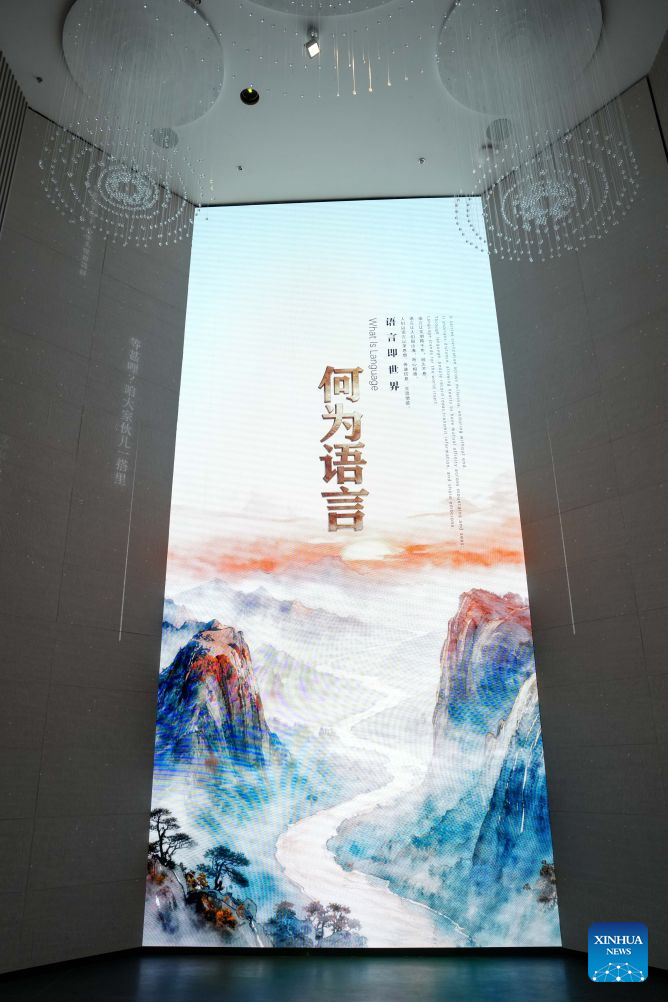
This photo taken on Aug. 24, 2026 shows an interior view of the Exhibition Hall of the Project for the Protection of Language Resources of China in Changsha, central China's Hunan Province. A new exhibition hall dedicated to the preservation of China's diverse language resources opened on Monday in Changsha, capital of central China's Hunan Province, bringing a decade-long effort to document languages and dialects to the public through digital and interactive displays. The Exhibition Hall of the Project for the Protection of Language Resources of China, located in the Hunan Museum, brings together recordings and other language materials collected from more than 1,800 field survey sites across China, covering Chinese dialects, ethnic minority languages and related cultural traditions. (Xinhua/Xue Yuge)
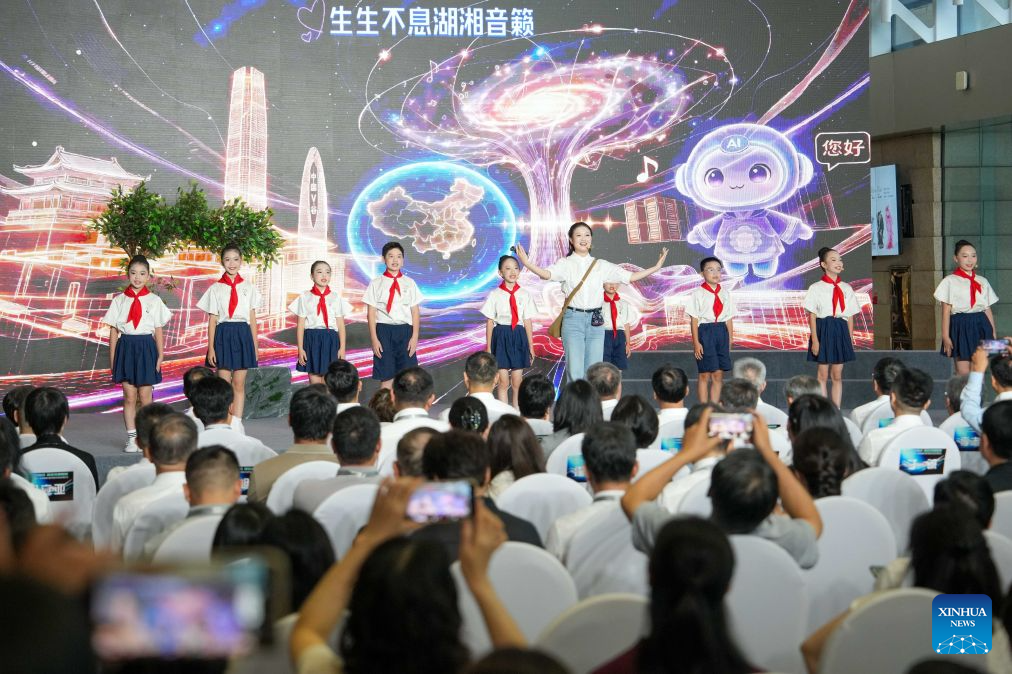
Children perform at the opening ceremony of the Exhibition Hall of the Project for the Protection of Language Resources of China in Changsha, central China's Hunan Province, Aug. 24, 2026. A new exhibition hall dedicated to the preservation of China's diverse language resources opened on Monday in Changsha, capital of central China's Hunan Province, bringing a decade-long effort to document languages and dialects to the public through digital and interactive displays. The Exhibition Hall of the Project for the Protection of Language Resources of China, located in the Hunan Museum, brings together recordings and other language materials collected from more than 1,800 field survey sites across China, covering Chinese dialects, ethnic minority languages and related cultural traditions. (Xinhua/Xue Yuge)
。 上半年,服务出口同比增长17.6% “中国服务”加速走向海外(经济聚焦) 商务部数据显示:上半年,我国服务进出口总额37797.5亿元,同比增长8.3%。其中,服务出口15047亿元,同比增长17.6%;服务贸易逆差7703.5亿元,比上年同期缩小1614.2亿元。

二 | 一连串数字背后,是全球贸易格局的深刻调整——服务贸易和服务业合作深入发展,成为世界贸易的新增长点;也是我国服务业发展的提质增效——上半年,我国服务业增加值同比增长5.2%,占国内生产总值比重59.5%,是国民经济的第一大产业。 当前,我国服务出口有哪些新趋势、新亮点?记者进行了采访。 旅行服务出口增速较快 上半年,我国旅行服务出口2292亿元,同比增长31.1%,在前五大服务出口领域中增速最快。 旅行服务包括旅游、留学、就医等,入境游客在我国“吃住行游购娱”等各类消费计入我国旅行服务出口。

三 | 近年来,随着免签、离境退税等政策不断优化,“中国游”“中国购”持续活跃。 今年7月1日起,全国离境退税“小额抽检制”正式落地实施,退税销售额1万元以下的退税申请单实行随机抽检,不再逐单进行实物验核。

四 | 深圳罗湖口岸和深圳机场投用离境退税自助机,支持13种语言,最快两三分钟即可完成退税办理。

五 | 新政落地首月,深圳海关累计办理离境退税验核业务1.3万票、验核申请单金额1.7亿元,同比分别增长2.2倍和94.1%。

六 | 据深圳海关相关负责人介绍,境外旅客的消费选择更加多元,除茶叶、丝绸等传统伴手礼外,国产数码产品、服饰文创等成为热门选择。 随着“中国游”持续深入,外籍游客的旅游轨迹从北上广深等一线城市拓展延伸到小众目的地。去哪儿旅行数据显示:上半年,平台上外籍游客购买的入境航班目的地已覆盖国内160个城市——北至中俄边境附近的黑河,南至热带滨海的三亚,东抵“华夏东极”佳木斯,西达昆仑山下的喀什,比去年同期新增20个城市。 此外,入境游停留时间变长。途家民宿数据显示:上半年,外国游客在中国330个城市入住民宿,平均入住天数达到2.8天,同比增长约10%。

七 | 今年暑期,外国游客平均入住天数达到4.7天。 “现在,很多外国游客愿意走进我国的小城、社区和乡村,在民宿里认识房东、了解本地生活,用更久的时间,看到更真实和丰富的中国。”途家民宿高级副总裁胡阳说。 “中国太棒了。

八 | 我强烈推荐大家去看看。”近日,美国企业家、电动汽车制造商特斯拉公司首席执行官埃隆·马斯克在社交媒体上写道。随后,马斯克母亲梅耶引用这则帖文继续“点赞”,称“中国的每个城市都有其独特魅力”。 来到中国、体验中国、爱上中国,入境旅游正与消费、文化等更多场景融合,成为服务贸易增长新支撑。 知识密集型服务出口占比超过一半 服务贸易增长的另一亮点,是知识密集型服务出口。

九 | 上半年,我国知识密集型服务出口8056.7亿元,同比增长12.8%,占服务出口总额的53.5%。 向韩国头部药企JW制药交付智能化、自动化药物发现与工艺优化机器人实验室,与美国创新生物制药公司的战略合作取得关键进展,与国际知名药企达成超4亿美元AI(人工智能)药物发现合作……上半年,晶泰科技加快全球业务布局。 “我们将自主研发的AI算法、工具、流程与自动化实验能力,转化为标准化、可交付的医药与材料研发解决方案,在服务全球客户的过程中,积累行业稀缺的高质量数据与产业化落地经验,形成‘技术输出、全球验证、能力迭代’的良性循环。”晶泰科技首席科学官张佩宇介绍,晶泰拥有全球领先规模的“AI+化学机器人”集群,已服务于多家全球排名前20的国际药企,收集高质量数据的效率是传统实验室的50倍,推动更多优质创新药项目快速实现临床转化。

十 | 伴随AI等新技术发展,中国企业正从技术产品出口转向技术服务能力输出。 其中,词元出海是近年来涌现的新赛道。

十一 | 词元是AI处理与生成信息的基本单位,可视为电力与算力转化形成的数字化产出,是AI时代重要的基础资源。中国企业将国产成熟大模型算力封装为标准化接口,海外客户开通即可接入使用,无需自建算力基础设施。

十二 | 这种轻便高效的词元出海模式,正受到越来越多海外企业的青睐。 在编程、影像创作、互动娱乐、AI原生游戏等领域,不少海外创业团队开始采用中国大模型阿里千问作为技术底座,其模型能力、成本优势以及成熟的云服务体系已在全球开发者社区中建立起品牌信任度。 培育更多“中国服务”品牌 服务出口的增长,折射出“中国服务”品牌认可度的提升。 近年来,中国服务品牌加快拓展海外市场,品牌背后的消费理念和文化元素也被更多人了解喜爱。 一杯茶饮的出海之路,也是中国品牌国际化发展的缩影。在巴西推出巴西莓冰淇淋,在美国提供多种糖度选项,在东南亚开发当地特色的热带风味产品……蜜雪冰城推行“全球标准+区域定制”的运营模式,尊重和融入当地文化,让中国茶饮走进当地人的生活,目前已在印度尼西亚、越南、马来西亚、泰国等东南亚国家开设了4000多家门店。 霸王茶姬则更重视空间打造和场景拓展。比如,在菲律宾以宠物友好设施和场所闻名的地区开设宠物友好门店;在韩国首尔江南区的旗舰店采用了更柔软的织物和绿色植物,为忙碌的都市顾客打造一个“宁静放松的绿洲”。 从产品创新到场景延伸,中国品牌出海的方式正在发生变化。企业不仅关注市场覆盖率,更注重与当地消费者建立情感连接。 更多传统服务同样正加快提质增效。今年4月,中医药服务消费和服务贸易融合发展试点启动,北京市、天津市、内蒙古自治区呼伦贝尔市等18个地区被纳入试点范围。未来3年,试点地区将在中医药文化交流、中医药旅游路线推介、中医康养服务、食养药膳服务等方面探索创新,对接国际康养市场多层次需求,打造中医药服务消费新场景新业态,形成一批知名中医药服务国际品牌。 从旅行服务增长,到知识密集型服务提升,再到中国品牌加快走向海外,一组组数据,勾勒出中国服务贸易转型升级的成长轨迹。

十三 | 随着服务业对外开放持续扩大,中国服务将以更为丰富多元的形态参与全球分工,不断激活新的发展动能。 (人民日报 记者 罗珊珊;孙嘉翊参与采写)。

十四 |
Current article:http://2p3rd8q.mexuanmeixuyaopinzheng.shop/irv5mtl/20260826/4014.html
Published on:08:43:30


